Autore: Osteofighters

Cupping Therapy

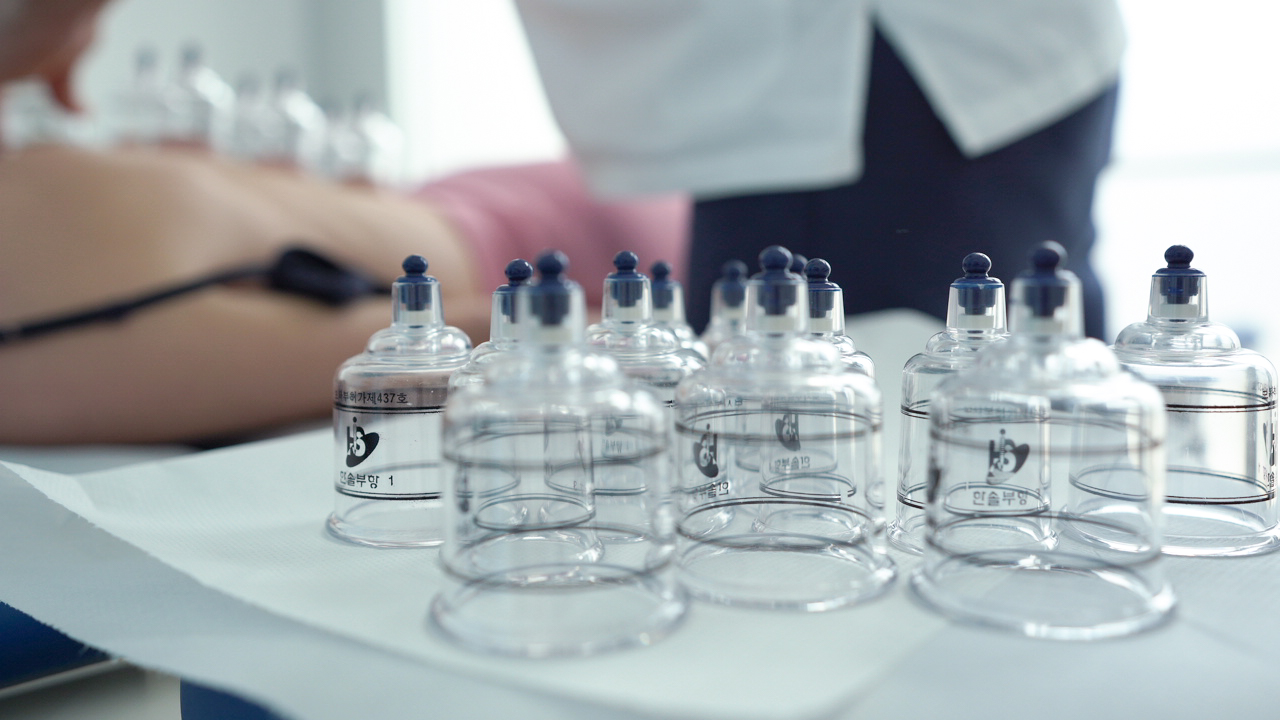
Cupping Therapy is based on an ancient technique of oriental medicine and aims to solve aesthetic and/ or postural disorders

Useful to improve:

➡️Blood circulation through the suction effect that is created
➡️Muscle pain because it promotes the elimination of toxins and tissue re-oxygenation
➡️Stimulates liquids drainage
➡️Neckline the fascial layers

After the application, it will remain on the skin a purple complexion that will disappear within 4-5 days, a sign of the effectiveness of the method


CURIOSITY
Cups may be in different materials
•Glass
•Plastic
•Bamboo
•Silicone


CONTRAINDICATIONS
•Vascular problems
•Ulcers
•High fever
•Skin problems
•Areas with pimples

Theragun Therapy

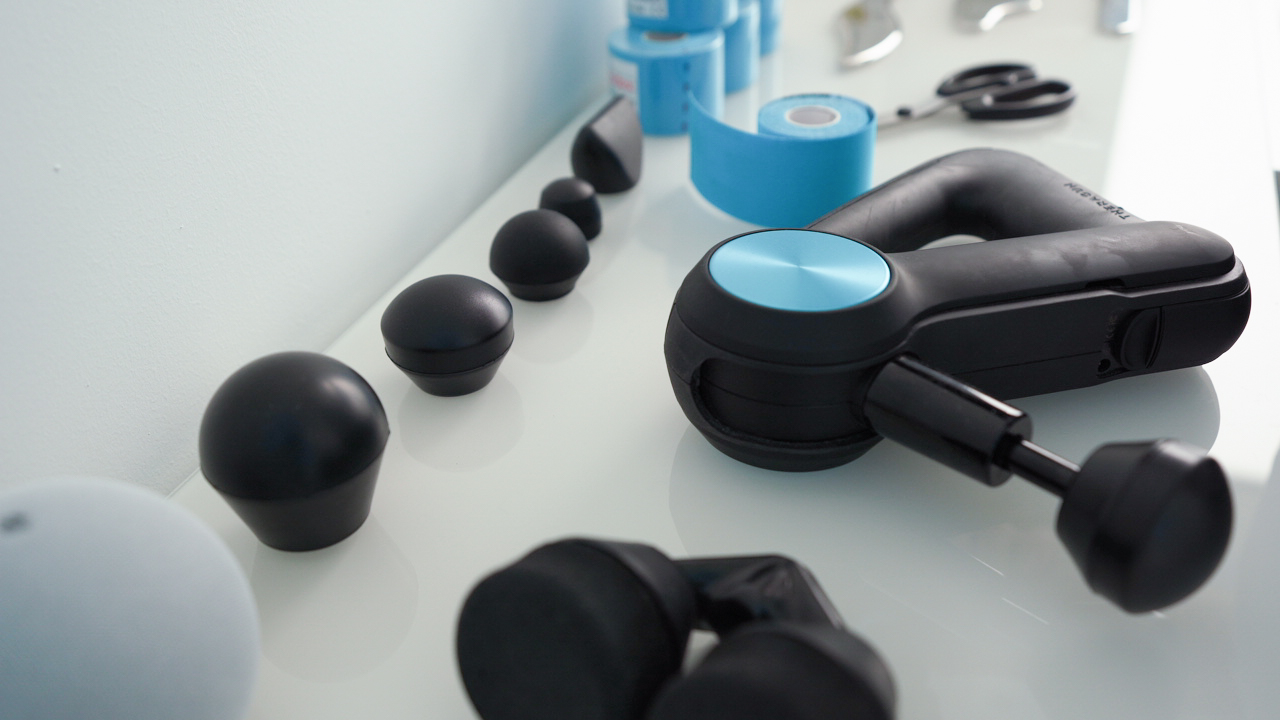
Percussive therapy is a deep muscle treatment that uses rapid and wide vertical impulses on muscle tissues, causing a neuro-muscular response

EFFECTS:
Reduces the pain
Improves joint movement
Increases the recovery speed
Increases blood flow
Useful in pre-race muscle activation
Breaks the scar tissue
Reduces lactic acid
Releases muscle spasms
Increases lymphatic flow
Acts on the tendon organ of the golgi
Improves the proprioception of the body
Remove peripheral nerve restrictions
Stimulates tissue remodeling


PHYSIOLOGICAL BASIS

During percussive therapy, intra and extra cellular fluids are distorted, causing shear and heat forces within the extracellular fascia matrix.
The cutting force and heat seem to decrease the viscosity of hyaluronic acid as a component of the fundamental substance, which helps to improve the smoothness of the surface and deep layers of the fascia

Mechanoreduction is the process by which the application of a trait, vibration and percussion to the fascia is converted into changes at the cellular level.
Integrins are specialized receptors sensitive to elongation, vibration, and percussion and attach each cell to the extracellular matrix.

Neuromuscular taping

It is a technique based on the facilitation of skin and muscle movements in order to obtain a therapeutic biomechanical effect on the treated areas.

It is a non-invasive and non-pharmacological technique that, through the application of an adhesive and elastic tape with particular elastic mechanical characteristics, allows to:

  • Give a mechanical stimulation can create space in the tissues
  • Promote the cellular metabolism
  • Activate the body’s natural healing abilities
  • Normalize the neuromuscular proprioception
  • Improve circulation
  • Promote the absorption of liquids
  • Reducing the subcutaneous pressure

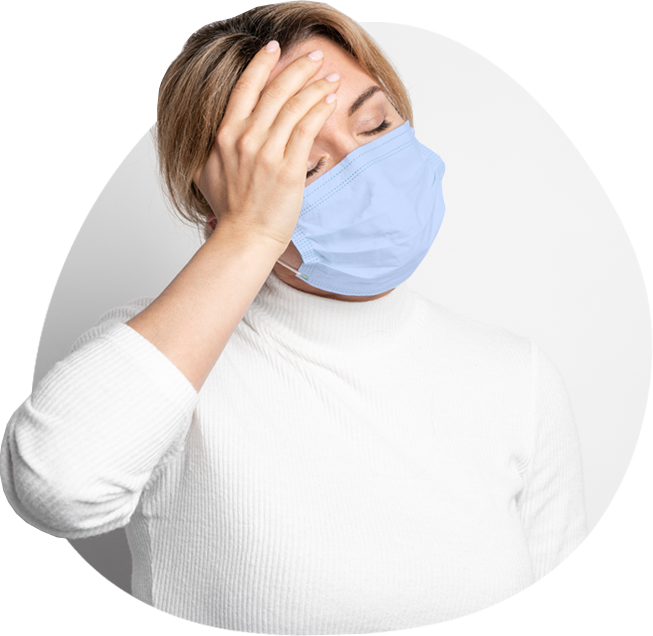
No one is immune to stress!

We all know that state of tension mixed with concern that occurs in situations that put us to the test.
I often hear “it’s a super stressful time” or “I’m so stressed out that I fight with everyone”.

The term stress bombards our daily lives and has become part of everyday language. I don’t want to give you a definition of stress because it’s a very subjective condition, because what can be stressful for one person can be normal for another. The stress in fact, depends partly on the environment that surrounds us, partly from us and above all there are several ways to cope with it.

How do we figure out what kind of stress it is?

Let’s take an example, you have been working for a long time, you feel satisfied with your successes but at some point, your employer offers you a promotion, the offer looks interesting, the workload is certainly greater and requires big responsibilities. The expectations, the adrenaline and the enthusiasm that this new challenge will bring will determine at the same time a stress reaction that will result in a strong state of apprehension.

We are talking about eustress, or good stress, a type of stress that if circumscribed in a limited period of time is positive because it helps us to react and deal with a problem.
What happens if we lose this job out of the blue?
Once we receive the news we will feel defeated and this will determine a strong stress reaction, a sense of impotence, that will make us lose the ability to elaborate adequate answers.

If this feeling persists over time you will face chronic stress, or distress.
Chronic stress does not consist in a heavy week, in a bad fight with your partner, it represents the difficulty of returning to a condition of serenity, in particular it is a harmful stress, which keeps us alert even when it is not necessary.

Let’s remember that in normal, non-pathological situations, we can deal with stress conditions by solving them and putting ourselves back in play.
Becoming aware of your state of stress and finding out the causes that have determined it is crucial to successfully cope with it.

Let’s see how:

1 One problem at a time:
We try not to be overwhelmed by too many problems, we learn to handle situations gradually without thinking about what will happen next.
If we are facing our first day of work, and it is proposed to us to manage an area that we do not know well, let us not be overwhelmed by fear, if we can ask questions, ask advice and let us be helped by those who are more experienced than us.

2 We do not postpone:
Let’s not postpone to tomorrow what we can face today, if we have enrolled in university and realize that we have wrong faculty, We take the situation into our own hands and try to correct it without procrastinating because this will only increase our stress and restore an idea of ineptitude.

3 Focus on positive thoughts:

We alternate positive thoughts with negative ones, we strive to make our stress intermittent by interspersed with thoughts that postpone well-being. If we continue to focus on the source of our anxiety, the feeling of stress will only increase.

4 Let’s learn some relaxation techniques:

The body is a complex system consisting of the interaction of mind and body, relaxation techniques such as autogenic training or progressive muscle relaxation, are a good method to reduce the levels of activation during the day.

5 Do something that feels good or do it for others:

Devoting time to pleasant activities, such as engaging in supportive and supportive activities will make us stronger and more aware and distract us from negative thoughts.

Concluding if something we don’t like or doesn’t feel good we learn to say no.
If we are tired of indulging in yet another favor, we learn to listen to our feelings and say no if it makes us think or not excite us.

Ergon technique

It’s an evidence-based therapeutic approach that combines static manipulations and body soft tissue dynamics with special clinical equipment for the treatment of neuro-musculoskeletal disorders


This particular technique enables ERGON certified therapists to:

  • Accurately assess high sensitivity myofascial areas
  • Restoring the biomechanical function of the joints:
    -Loosening
    -regaining normal myofascial rolling
    -reducing spasm
    -by reducing muscle pain
  • Evaluate any fascial pathologies
  • Approaching hard-to-reach areas for human fingers
  • Actively intervene on cross-links of hard tissue release between connective tissue
  • Restore the range of motion of the joints in a minimum number of treatment sessions
  • Effectively treat most pathologies / musculoskeletal lesions
  • Causes controlled and targeted reintegration in case of poor healing (tendinosis / injuries from overuse)
  • Stimulating anabolic processes in connective tissues (collagen fibers)
  • Accelerate tissue through fibroblast activation
  • Facilitate reflex changes in chronically incorrect muscle activation patterns
  • Effectively heal most neuro-musculoskeletal lesions or increase the tension produced in one or more joints
  • Combining techniques (ERGON technique and kinesiotherapy) Facilitates functional rehabilitation

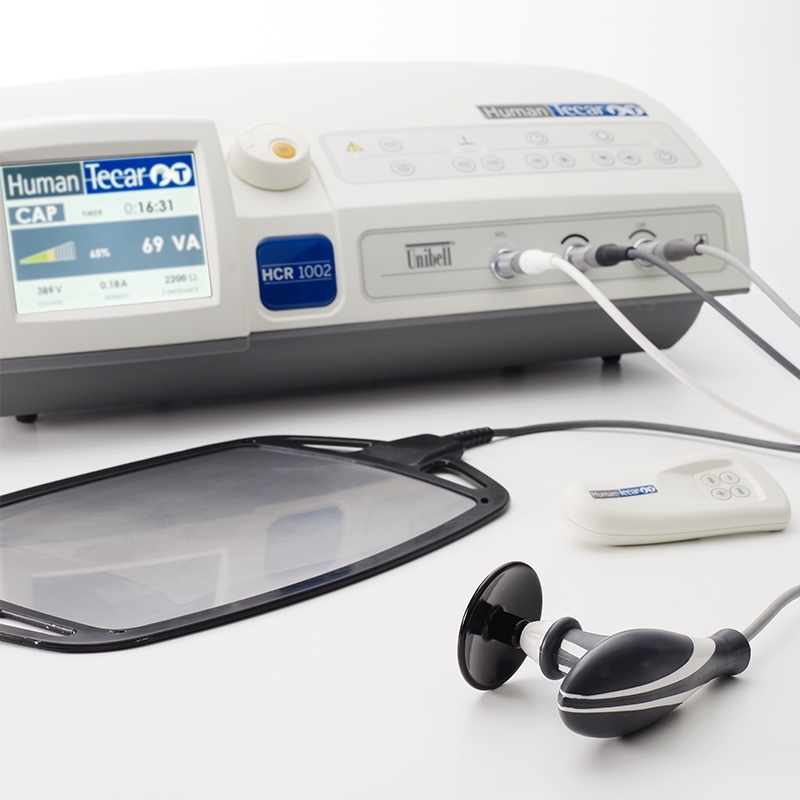
Tecar (or specific diathermy)

The process of Tecar terapica consists in producing ENDOGENOUS heat => The heat is generated inside the tissues

IS BASED ON THE PASSAGE OF ELECTRICITY INTO THE BODY

  1. STIMULATES BIOSTIMULATION or brings blood to tissues with the effect of:
    • accelerate the metabolism
    • increase the temperature
    • improve microcirculation
    • speed up tissue repair because: ➡️INCREASED OXYGEN
  2. PROFIT FOR:
    • Deposits/edemas
    • Tears
    • Muscle pain
    • Ligaments
    • Bones
    • Tendons


➡️I always recommend an Osteopathic evaluation before using an electromedical device because a tissue is overloaded and becomes inflamed when it works too much or badly.
Correct posture and reduced local overload the tissue will tend to flame out and to speed up healing is useful to use the Tecar locally.

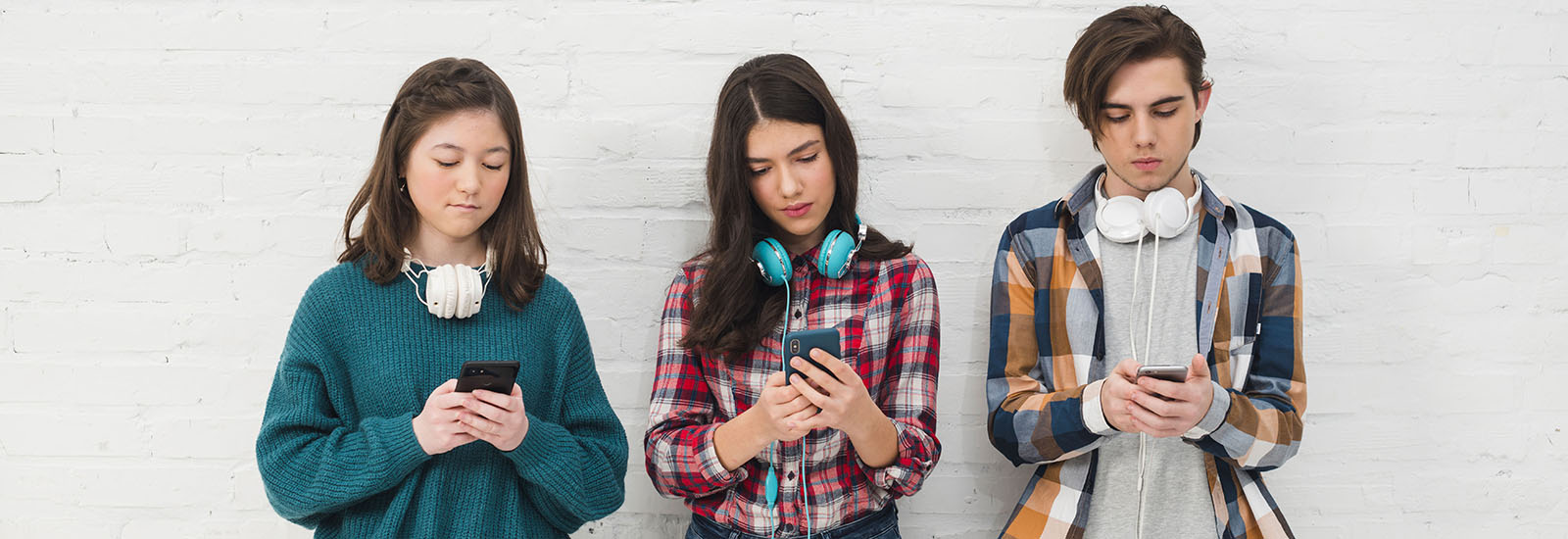
L’osteopatia nell’adolescenza

L’adolescenza rappresenta la fase del cambiamento che porta il bambino perdere le caratteristiche tipiche dell’infanzia, fino a raggiungere la struttura fisica, e lo sviluppo psichico ed affettivo dell’età adulta.

In questo momento della vita la postura può essere influenzata sia da una crescita veloce che da cambiamenti sul piano psicologico e dei rapporti con gli altri. Può essere il periodo di esordio di disturbi come mal di schiena e dolori muscolari, o disturbi viscerali come problematiche digestive, o ancora cefalee.

L’osteopatia come può aiutare

L’osteopatia in questa fase può prevenire disturbi nell’età adulta, dovuti all’instaurarsi di una postura scorretta durante la crescita, e aiuta il ragazzo a gestire meglio i cambiamenti sia sul piano fisico che psichico. Inoltre è fondamentale come prevenzione agli infortuni negli adolescenti che praticano attività sportiva.

L’osteopatia come interviene

Concretamente il trattamento osteopatico può aiutare a ridurre le tensioni muscolari, migliorando la postura, e disturbi a livello viscerale, grazie alla possibilità di interazione con sistema nervoso autonomo.

L’osteopatia nell’età evolutiva

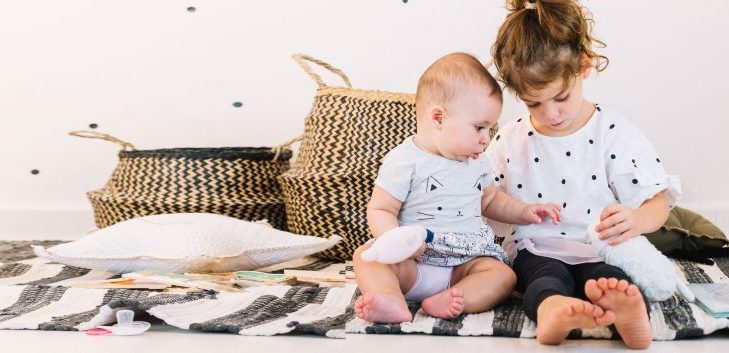
Il parto è un evento stressante per la madre tanto quanto per il bambino, il quale, a seconda del tipo di parto che ha sperimentato, può aver subito qualche piccolo trauma. Lo scheletro malleabile infatti assiste il bambino durante il processo di nascita, ma può anche renderlo vulnerabile a sollecitazioni di tipo biomeccanico durante il parto.

L’osteopatia come può aiutare

Il trattamento osteopatico è indicato sin dalle prime settimane di vita per ripristinare al più presto il benessere del neonato, e per tutta l’età evolutiva. I primi sei-nove anni sono importantissimi per lo sviluppo della struttura ossea e articolare e per l’ossificazione. Le tecniche osteopatiche sono molto efficaci nel condizionare questo sviluppo affinché avvenga nel modo più fisiologico possibile.

L’osteopatia come interviene

Dopo un’accurata anamnesi e attraverso una palpazione dolce, indolore e ben tollerata dal bambino, l’osteopata tratta le tensioni muscolari e membranose e le disfunzioni articolari per permettere un corretto sviluppo posturale, prevenendo possibili disturbi in un età successiva.
Aree di intervento:

  • Irritabilità
  • Disturbi del sonno
  • Difficoltà nell’alimentazione, difficoltà nella poppata
  • Disturbi del sistema digestivo come reflusso, rigurgito, coliche gassose, stipsi
  • Plagiocefalie
  • Torcicollo miogeno congenito
  • Otiti ricorrenti
  • Problemi posturali
  • Scoliosi
  • Cefalee
  • Asma
  • Malocclusioni

L’osteopatia in gravidanza

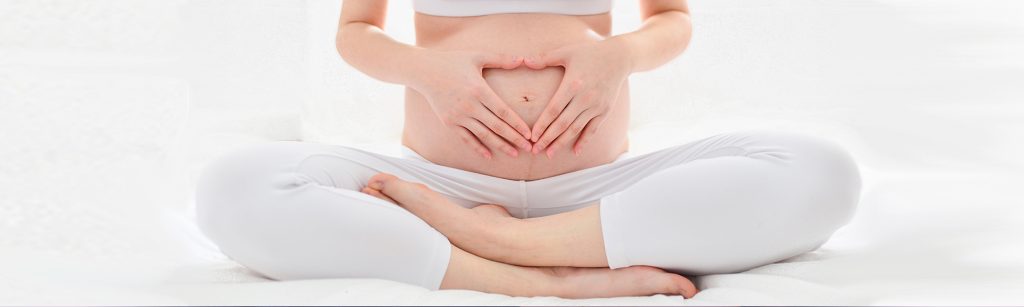
In gravidanza il corpo della donna va incontro a una grande varietà di cambiamenti fisiologici che riguardano l’equilibrio ormonale, la circolazione, la struttura e la biomeccanica muscolo-scheletrica. In particolare l’adattamento delle curve della colonna vertebrale e la modificazione del centro di gravità dovute alla crescita del bambino in utero, possono portare al manifestarsi di alcuni disturbi come dolore lombare, dolore pelvico, sciatalgia, dolore cervicale, gonfiore alle gambe, reflusso gastro-esofageo e incontinenza urinaria da sforzo. Ma anche occuparsi del nuovo bambino dopo il parto può mettere sotto pressione il corpo della madre: l’allattamento, il sonno interrotto, il peso del neonato, lo spingere la carrozzina, sono tutti fattori che possono creare zone di tensione nel corpo.

L’osteopatia come può aiutare

Il trattamento osteopatico ha lo scopo di individuare e ridurre le tensioni del corpo della madre, alleviandone i sintomi e portando il suo organismo in uno stato di equilibrio.

Inoltre il trattamento osteopatico può essere un valido aiuto per prepararsi alla fase espulsiva del parto, poiché prepara i tessuti del bacino rendendoli più elastici e mobili, e al periodo del post-partum, velocizzando il ripristino dell’equilibrio viscerale e muscolo-scheletrico.

L’osteopatia come interviene

Vengono utilizzate tecniche dolci e molto leggere, prestando sempre attenzione alla sicurezza della mamma e del bambino. Il trattamento è utile sia nella risoluzione dei sintomi comuni presenti in gravidanza sia nel favorire l’elasticità e la mobilità articolare del bacino, facilitando sia il travaglio che la fase espulsiva.

Y-Strap

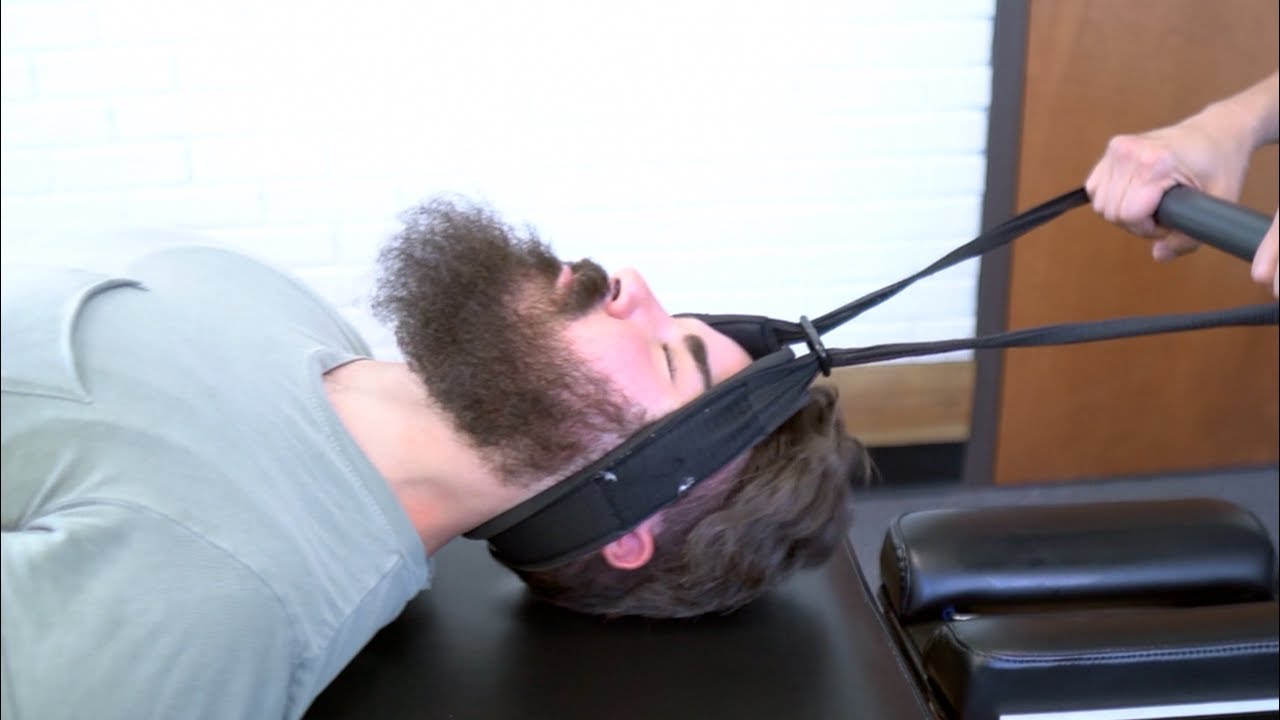
Lo strumento Y-Strap è uno strumento di allungamento per eseguire la decompressione manuale della colonna vertebrale.
Questo strumento di allungamento della colonna vertebrale consente l’allungamento della colonna vertebrale supportando la regione sub-occipitale del cranio per decomprimere le parti cervicali, dorsali e lombari della colonna vertebrale

➡️La trazione spinale è una tecnica usata per allungare la colonna vertebrale allungando i dischi tra le vertebre che vengono cosi decompresse.
L’obiettivo principale di allungare la colonna vertebrale è:
👉Rilassare i muscoli
👉Aumentare il divario intervertebrale del forame (lo spazio tra le vertebre)
👉Ridurre la pressione sui nervi situati nella colonna vertebrale

Vi sono molti modi per eseguire la decompressione della colonna vertebrale, alcuni dei quali sono:
👉Allungamento per gravità:
appendendosi a testa in giù per allungare la parte inferiore e superiore della colonna vertebrale
👉Decompressione completamente manuale:
usare le mani per afferrare la parte
posteriore della testa e la fronte per tirare la testa nell’asse Y
👉Decompressione manuale basata su strumenti:
sono disponibili molti strumenti
per allungare la colonna vertebrale. Per applicare la forza usano elastici, pesi,
gravità o forza umana per decomprimere la colonna vertebrale
👉Decompressione della colonna vertebrale meccanica / motorizzata:
macchine progettate per eseguire automaticamente la decompressione della colonna vertebrale e utilizzare energia elettrica

🤔Trazione manuale vs trazione meccanica motorizzata:
La trazione manuale è stata scelta per decenni in quanto è semplice da eseguire, non richiede attrezzature costose e la persona che pratica l’allungamento può ottenere un feedback verbale e tattile continuo con il paziente.
Mentre le soluzioni motorizzate non necessitano dell’interazione umana durante il movimento di stretching, andando cosi ad eliminare le abilità palpatorie dell’operatore